Authority · Safety
Norfolk Broads safe boating
The Broads are gentle waters, but Breydon Water, the tides and the low bridges all reward respect. Here's how to boat safely, from someone who's out there.
Most Broads boating is calm and forgiving. The handful of things that genuinely matter for safety are easy to learn, and once you understand them, you can relax and enjoy the water. The big one is Breydon Water.
Crossing Breydon Water
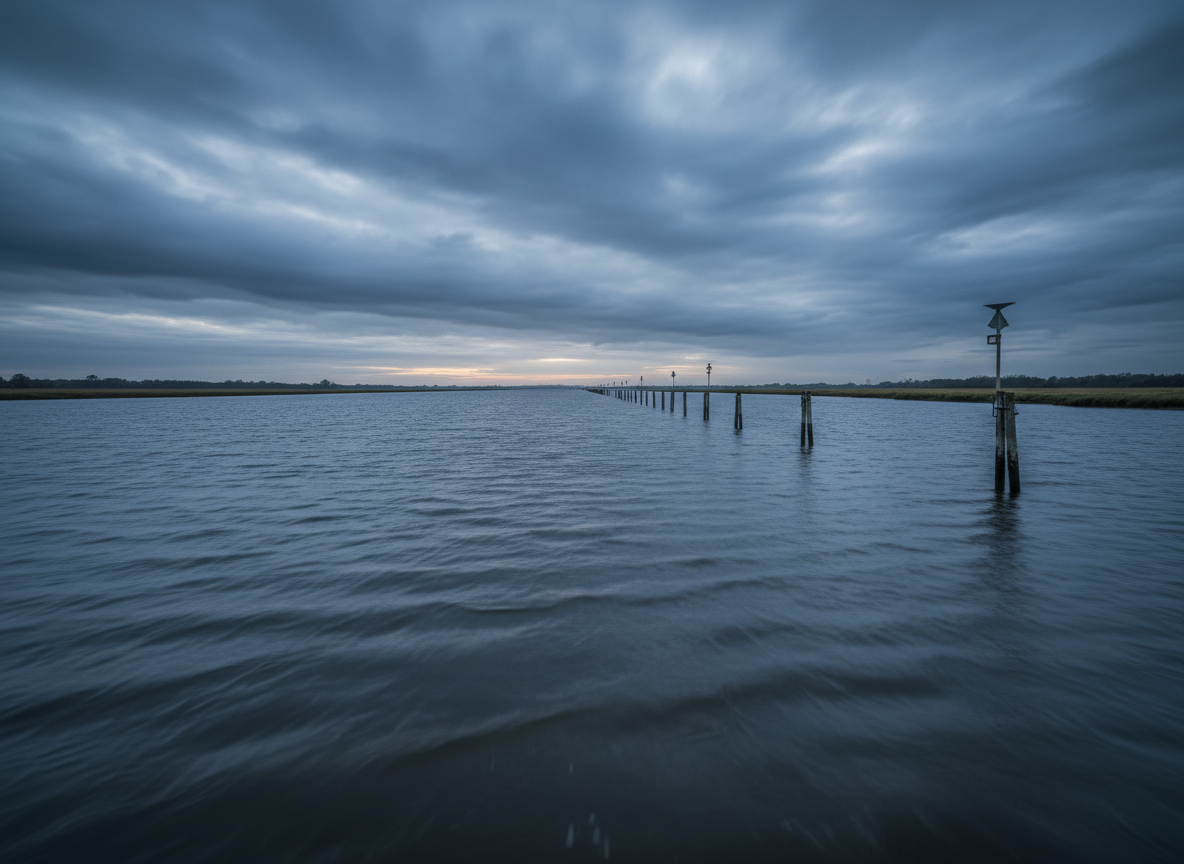
Breydon is a wide tidal estuary linking the northern and southern rivers. It looks open and easy, but the channel is narrow and the mudflats either side are very real. The rules are simple:
- Cross at or near slack water, around low water, when flow is weakest.
- Stay between the marked channel posts: red to port, green to starboard heading upstream.
- Watch the weather. A strong wind over tide makes for a lumpy, uncomfortable crossing.
- Coordinate with the Haven Bridge at Yarmouth if you're continuing through.
Tidal awareness
On the tidal rivers, the water moves. Plan passages with the tide where you can, allow extra time against it, and remember that a surge from a northerly blow can raise levels well beyond the prediction, reducing your bridge clearance and changing your crossing window.
Everyday safety
- Wear a lifejacket, especially children and non-swimmers.
- Slow down past moored boats, anglers and wildlife.
- Keep a sober skipper at the helm.
- Check fuel, weather and tide before each leg.
Frequently asked questions
Breydon Water is safe to cross with good planning. It is a large tidal estuary, so time your crossing for around slack water (near low water), stay within the marked channel between the red and green posts, and check the weather and tide before you set off.
Cross with confidence
Navigator Pro gives you live tide windows for Breydon and the bridges.
Guidance OnlyFigures are guidance only. Conditions change with wind and surge. Skippers must verify on approach using live data.