Authority · Bridges
Norfolk Broads bridge clearance
Will you fit underneath? Potter Heigham and Wroxham catch out more boaters than anything else. Here's how air draft, headroom and the tide work together, and why you must check the live clearance.
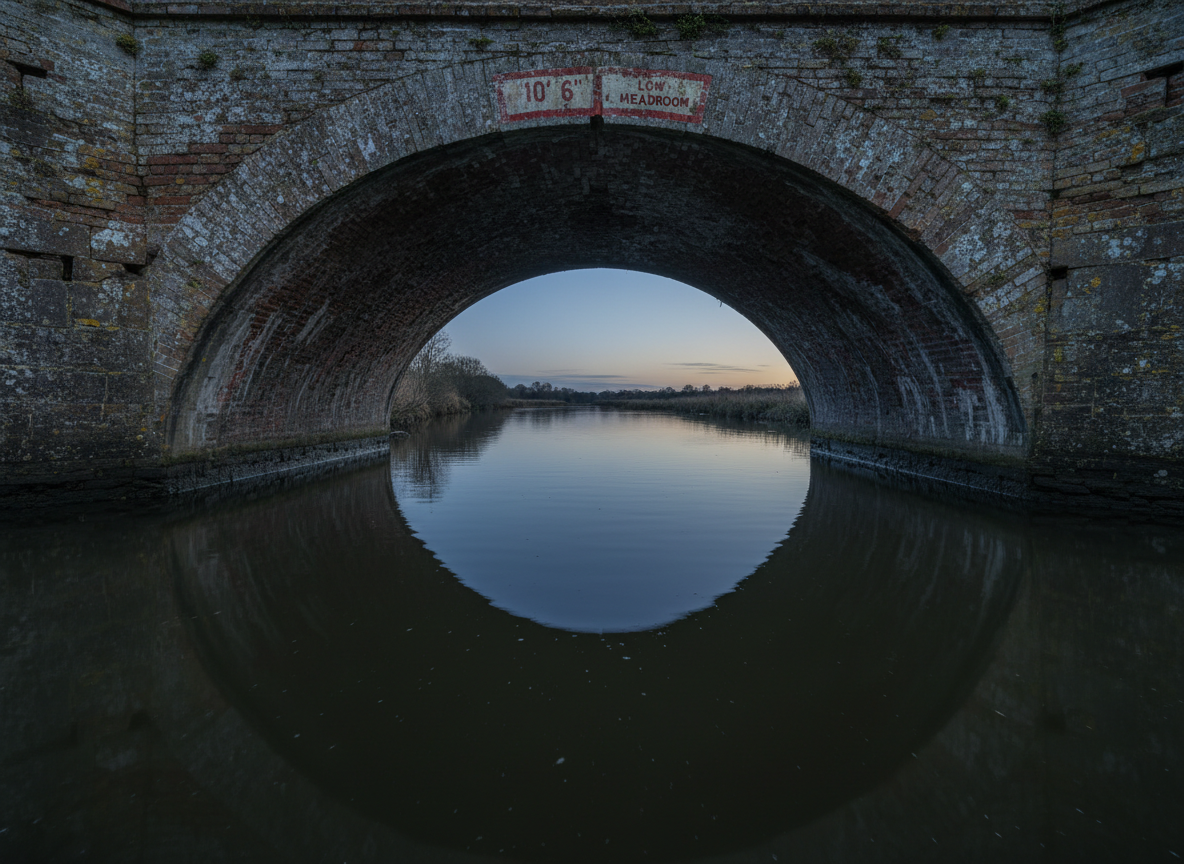
The Broads have several low bridges, and clearing them safely comes down to two numbers: your boat's air draft and the bridge's headroom at the current state of the tide. Get the margin wrong and you'll either be turned back, or worse.
Potter Heigham, the one everyone asks about
The old medieval bridge at Potter Heigham is the tightest squeeze on the network. The arch is low and uneven, and clearance is at its best at low water. Many hire firms insist a bridge pilot takes the boat through, so take them up on it.
Air draft, knowing your own boat
Air draft is the height from the waterline to the highest fixed point of your boat. Canopies and screens can often be lowered to gain a few centimetres, but measure, don't guess, and keep a safety margin for surge and wash.
Frequently asked questions
Predict clearance live
Navigator Pro predicts bridge headroom against the live tide before you commit.
Potter Heigham (the medieval bridge) is the most restrictive on the network, and its low, uneven arch catches out more boaters than anywhere else. Many hire companies require a pilot to take boats through. Always check the live, tide-adjusted clearance before you commit.
Bridge-by-bridge guides
Each bridge has its own quirks, timing and mooring options. These pages cover the ones that decide routes.
The medieval bridge at Potter Heigham has less headroom than any other on the Broads, and it decides whether Hickling and Horsey are part of your holiday.
Wroxham bridge is low, narrow and busy, and it quietly divides the Bure into the bit most hire boats see and the bit they don't.
Ludham Bridge is the first thing you meet on the Ant, and for most hire boats it's a glance at the gauge rather than a problem — most of the time.
Acle Bridge is where the northern rivers start to feel tidal, and it's the place most crews stop before taking on Great Yarmouth and Breydon Water.
The bridges at Great Yarmouth are the reason north-south trips are planned around the tide. Get the timing right and it's straightforward; get it wrong and it isn't.
Beccles Old Bridge is the southern Broads' version of Potter Heigham: low enough to keep the crowds out of the loveliest stretch of the Waveney.
Guidance OnlyFigures are guidance only. Conditions change with wind and surge. Skippers must verify on approach using live data.